7 Signs It’s Time for a Stair Lift
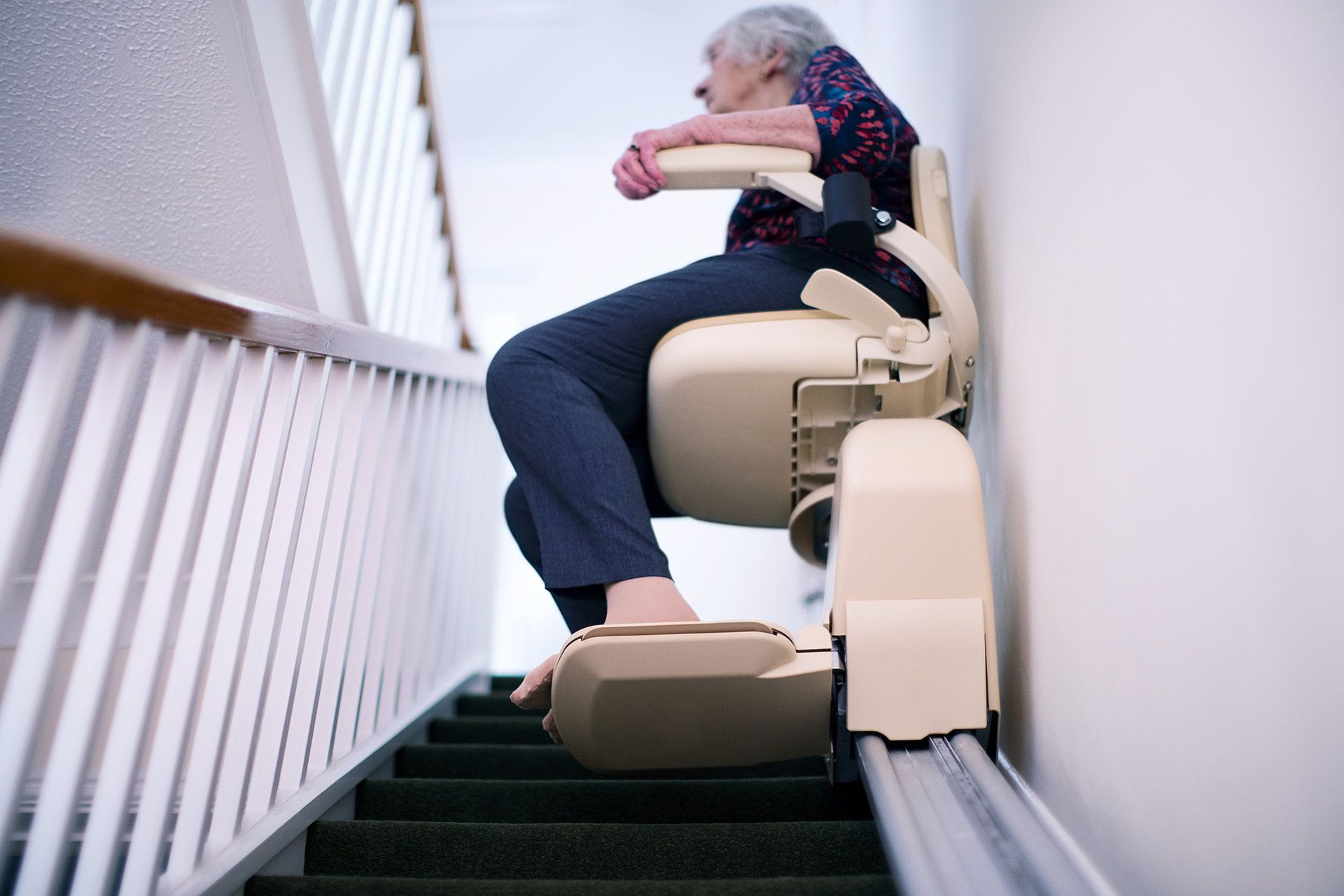
A stair lift may be appropriate when stairs have become painful, frightening, or unsafe for an older adult. Common warning signs include falls, increasing fatigue, avoiding upstairs rooms, and relying heavily on another person. Acting early can support safer independence and help your family plan calmly rather than respond to an emergency.
What are the signs it’s time for a stair lift?
1. Stairs cause pain or extreme fatigue
If your parent or spouse needs several breaks, becomes breathless, or reports pain in their knees, hips, back, or ankles, stairs may be taking too much effort. Struggling at the end of the day is also important: tiredness can reduce balance and concentration.
2. They have fallen or nearly fallen
A fall on the stairs is a clear safety warning, but near-falls matter too. Grabbing walls, missing a step, slipping, or losing balance suggests that the staircase is no longer a reliable route. A stair lift can reduce the risk of a serious injury while preserving access between floors.
3. They avoid parts of the home
Does your loved one sleep downstairs, skip showers, or avoid a bedroom, office, or storage area upstairs? Changing routines to avoid stairs can signal that mobility has declined. It may also affect comfort, privacy, sleep, and quality of life.
4. Someone else must provide physical support
If a family member has to hold an arm, lift, steady, or closely supervise them on every trip, the arrangement may be unsafe for both people. Caregivers can lose their balance or suffer an injury while trying to help.
Why should you act before a serious fall?
Waiting until after an accident often makes decisions more stressful. Planning earlier gives your family time to compare options, check the staircase, discuss funding, and arrange certified installation. A free in-home safety evaluation can help identify whether a stair lift or another accessibility solution is the best fit.
5. Their walking aid is difficult to use on stairs
Canes and walkers can improve mobility on level floors, but they are awkward or unsafe on many staircases. If your loved one must leave a walker upstairs or downstairs, they may be tempted to climb without adequate support.
6. They feel anxious about using the staircase
Fear can be as significant as physical difficulty. Hesitation, gripping the banister tightly, taking every step sideways, or refusing to use the stairs may indicate lost confidence. A suitable stair lift can make movement between floors feel more predictable.
7. Their condition is changing
Progressive conditions, recovery from surgery, worsening arthritis, or reduced vision can change stair safety quickly. If everyday movement is becoming harder, it is worth discussing future needs rather than waiting for a crisis.
What should you consider before choosing a stair lift?
A professional assessment should consider:
- Straight or curved staircase design
- Available landing space at the top and bottom
- Weight capacity and seat comfort
- Transfer ability and accessibility needs
- Power, safety sensors, controls, and battery backup
View available stair lift options, or contact a local mobility and accessibility specialist serving East Tennessee, including Morristown, Sevierville, Hamblen County, Jefferson County, and Sevier County.
The next step for your family
The clearest signs it’s time for a stair lift are repeated falls or near-falls, pain, exhaustion, stair avoidance, dependence on another person, difficulty using a walking aid, fear, or a changing health condition. You do not need to wait for an emergency. Arrange an in-home evaluation, discuss preferences openly, and compare a properly fitted stair lift with other accessibility options. Early planning can make the transition more comfortable, safer, and easier for everyone involved.






